TMS Technology
What is TMS?
Transcranial Magnetic Stimulation (TMS) is a non-invasive, drug-free brain stimulation therapy that uses magnetic fields to stimulate specific areas of the brain. It is primarily used in the treatment of neurological and psychiatric conditions, especially where conventional therapies have limited effectiveness.
TMS works by delivering controlled magnetic pulses to targeted regions of the brain, helping to regulate neural activity and improve brain function.
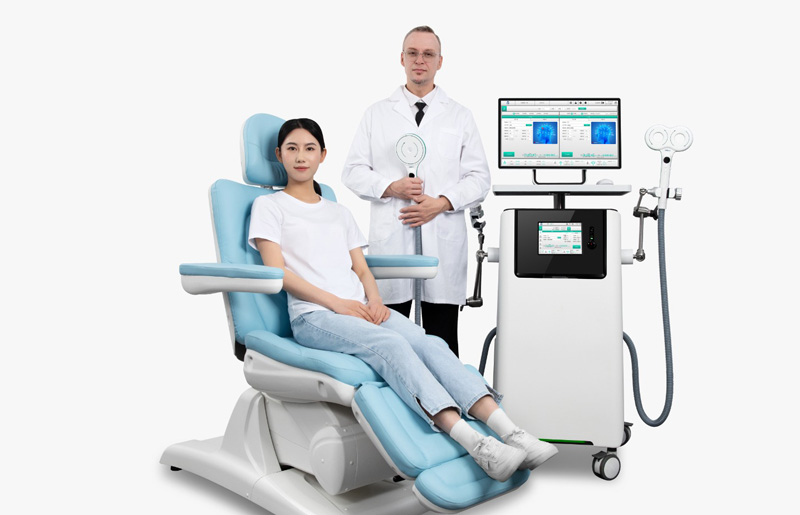
How TMS Works
TMS devices generate electromagnetic pulses through a coil placed on the patient’s scalp. These pulses penetrate the skull safely and stimulate nerve cells in the brain.
The process involves:
-
Precise targeting of brain regions
-
Controlled magnetic pulse delivery.
-
Activation or modulation of neural pathways.
-
Improvement in brain signaling patterns.
This stimulation helps restore normal brain activity, particularly in areas associated with mood and cognitive function.
Importance of Indigenous TMS Manufacturing
In India, most TMS devices are imported, making them expensive and less accessible. By manufacturing TMS systems domestically:
-
Costs can be significantly reduced.
-
Accessibility to advanced therapy increases.
-
Healthcare infrastructure becomes stronger.
-
Dependence on imports is minimized.
This supports the growth of India’s medical technology sector.
Future of TMS Technology
TMS continues to evolve with advancements in:
-
AI-assisted targeting.
-
Personalized treatment protocols.
-
Portable and compact devices.
-
Expanded neurological applications.
It represents a significant step forward in non-invasive brain therapy and precision medicine.